
Lingyun All-Plastic ESS Structures Cut Cost by 40%; One-Shot Busbar Bracket Passes National Thermal Runaway Test
As 280 Ah storage cells proliferate, all-plastic structural parts and integrated busbar brackets aim to cut cost while meeting thermal-runaway safety requirements.
New demands for ESS cost reduction and safety
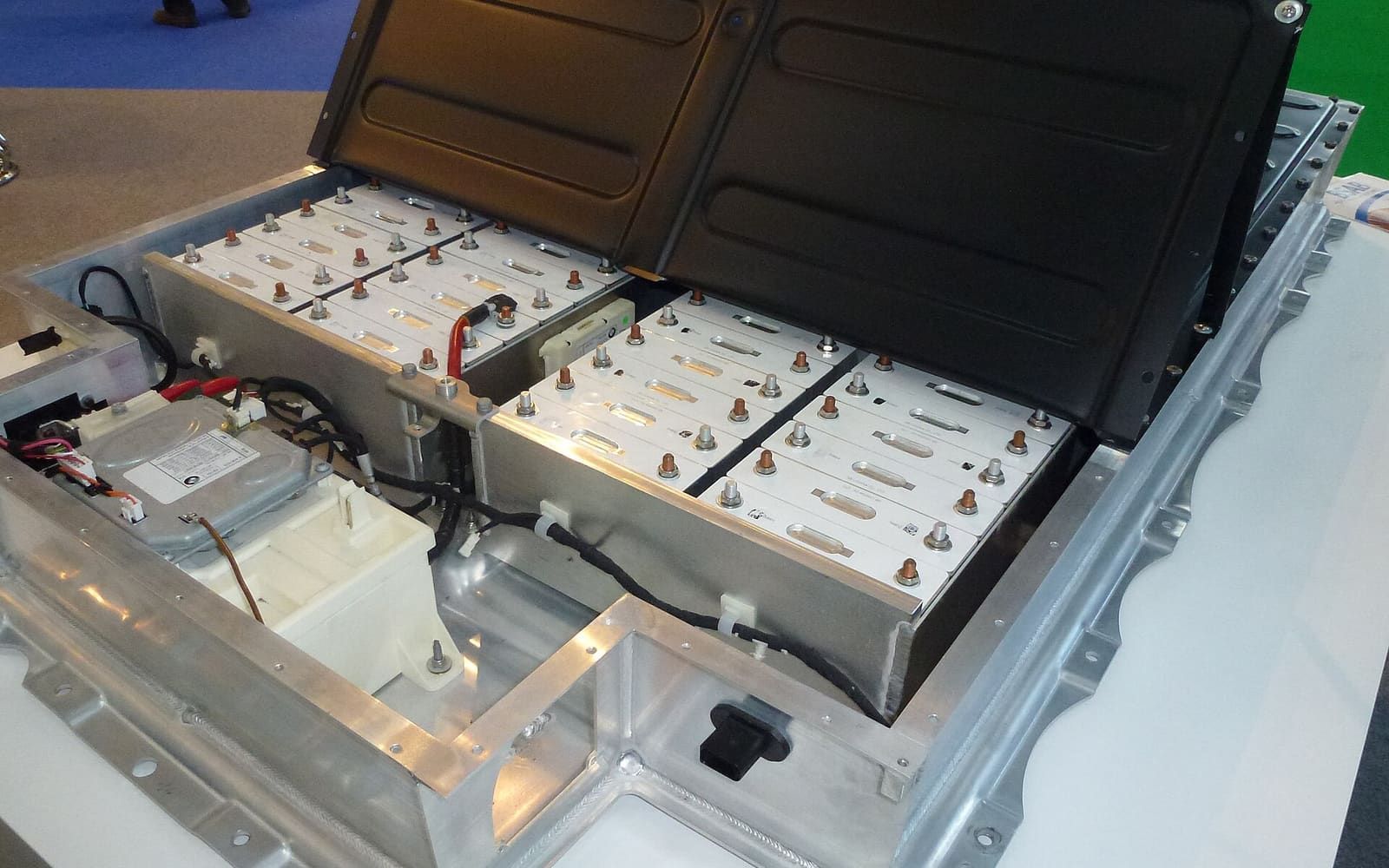
The popularity of 280 Ah storage cells brings structural challenges: metal parts can account for 15–20% of module cost, while thermal-runaway propagation must exceed 30 minutes under GB/T 36276.
All-plastic technology breakthroughs
1) Non-metal structural parts — end/side plates using glass-fiber-reinforced PP: electrolyte resistance + UL94 V0; cost about 35% lower than metal.
2) Three-in-one integrated busbar — copper foil/sheet + temperature sensing + voltage acquisition, formed by one-shot injection (PPS and related materials), cutting assembly labor ~50%.
3) Composite insulation/aerogel pads — silica aerogel with thermal conductivity around 0.018 W/(m·K); forms a protective carbonized layer under thermal runaway; reported to pass national thermal-runaway propagation tests.
Reported application results include use on 280 Ah storage modules, ~40% comprehensive cost reduction, and thermal-runaway delay time >45 minutes.