
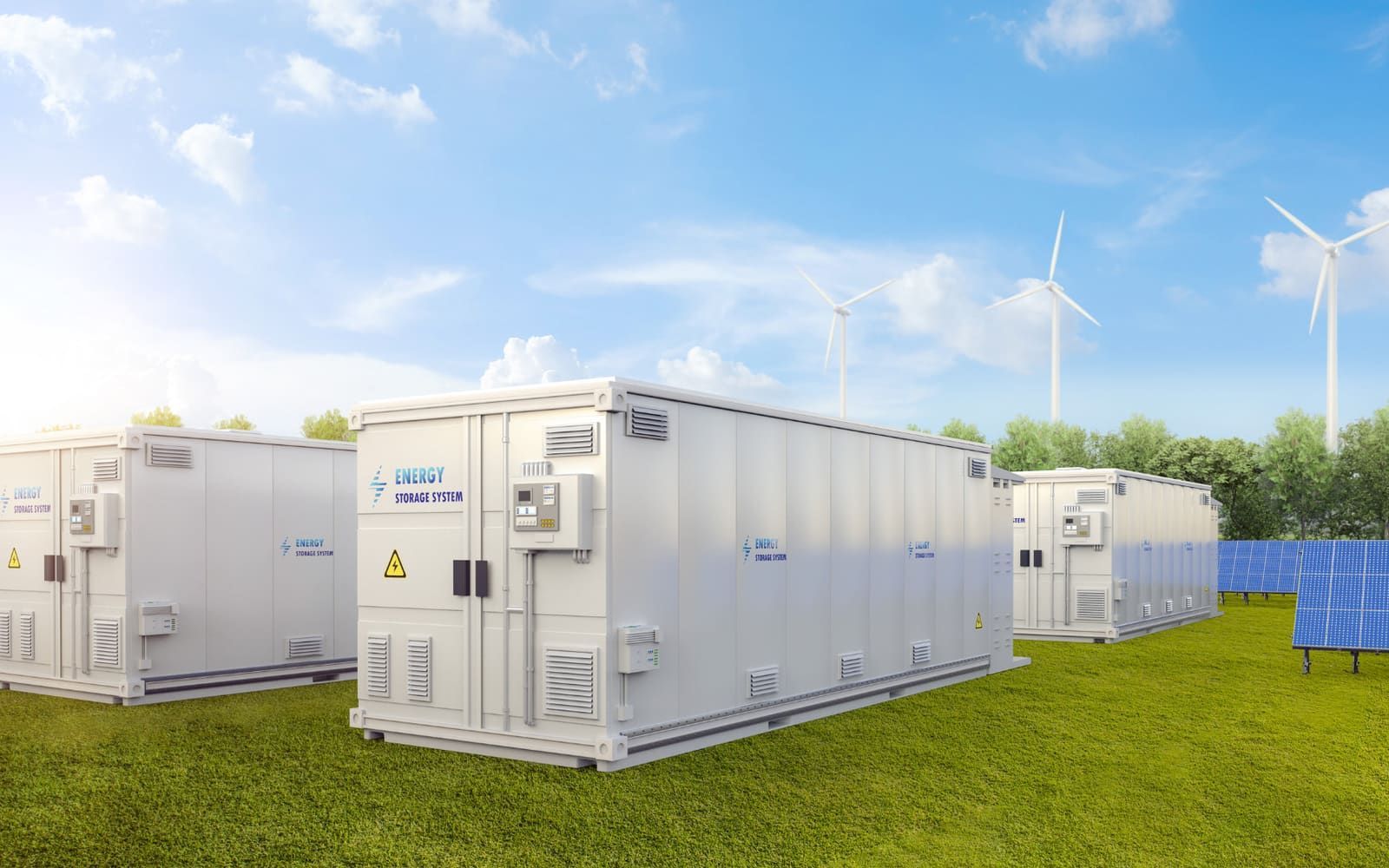
Is Energy Storage the Current Hotspot?
Energy storage is widely viewed as a major industry hotspot—driven by rapid deployment, policy support, expanding applications, and strong investment interest, alongside real challenges.
Energy storage is indeed one of today’s standout industries. Several factors explain why.
1) Rapid industry growth and policy support
New-type energy storage has grown quickly. Industry data show that by the end of H1 2024, cumulative grid-connected capacity of new-type storage projects already in operation reached about 35.3 GW / 77.68 GWh—up roughly 12% from end-2023 and about 210% versus end-H1 2023—indicating a fast expansion phase.
Policy support continues to strengthen. In 2024, energy storage was written into China’s government work report for the first time, underscoring its role in the modern energy system.
2) Technology breakthroughs and broader applications
Multiple technology paths—lithium-ion, compressed air, flow batteries, liquid metal batteries, and more—are advancing and providing technical support for industry growth.
Application scenarios are expanding from traditional peak shaving and renewable integration toward frequency regulation and other grid services. As wind and solar scale up, storage becomes an increasingly important part of the new-energy value chain.
3) Market potential and investment enthusiasm
Industry forecasts point to very large market scale into 2025–2030. Capital from many sectors has entered storage, further accelerating development.
4) Outlook and challenges
Looking ahead, rising renewable penetration and deeper power-system transformation create both opportunities and challenges—such as product homogenization, intensifying competition, and safety/performance requirements. Overall, energy storage sits at a clear industry hotspot with substantial room to grow.